
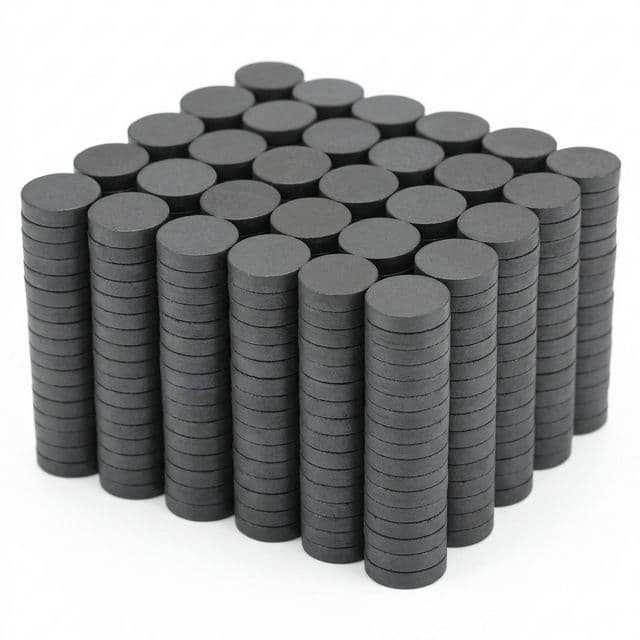
Ferrite Magnet Tolerance Guide for Mass Production
How OEM teams should define ferrite magnet tolerances to balance assembly yield, process capability, and total cost.
Tolerance strategy is one of the fastest ways to improve ferrite program economics.
Overly tight dimensions increase scrap risk and cycle time. Overly loose dimensions can damage assembly yield and magnetic consistency. The right tolerance map connects function, process capability, and inspection cost.
A Practical Tolerance Framework
1. Functional Dimensions
Apply tighter control only where tolerance directly affects air-gap, fit, magnetic path, or reliability.
2. Non-Functional Dimensions
Allow broader tolerance where dimensional variance does not affect product function.
3. Capability-Linked Tolerance
Before freezing tolerance, verify that supplier process can hold it across production lots, not just sample builds.
Recommended Tolerance-Setting Workflow
- Mark critical-to-function dimensions on drawing.
- Define acceptable performance variation at system level.
- Map each critical dimension to process capability evidence.
- Set inspection plan by risk level, not equal sampling for all dimensions.
- Lock tolerance and control plan together before tooling release.
Buyer Questions to Resolve Before Tooling
- Which dimensions are function-critical versus cosmetic?
- What process stage controls each critical dimension?
- Is post-sinter machining required, and where?
- What is the incoming inspection acceptance method?
- Who owns escalation when dimension drift appears?
Cost and Quality Impact by Tolerance Policy
| Policy style | Typical risk | Typical cost effect |
|---|---|---|
| Uniformly tight on all dimensions | high scrap and longer cycle time | higher total cost with limited functional gain |
| Function-based selective tightening | balanced risk | better cost-performance balance |
| Excessively loose controls | assembly and field reliability risk | lower quote, higher downstream failure cost |
Common Mistakes
- locking tolerance before validating assembly impact
- no separation of critical and non-critical dimensions
- accepting supplier promise without capability evidence
- missing change-control process after pilot deviations
Procurement Recommendation
Do not approve tolerance maps as standalone engineering output. Require a joint sign-off from engineering, quality, and sourcing with explicit capability evidence.
For drawing review and tolerance feasibility support, contact [email protected].
Visual Decision Aids
Decision Snapshot
| Tolerance policy | Yield risk | Recommended control |
|---|---|---|
| Tight everywhere | High | Restrict tight control to critical-to-function dimensions |
| Function-based selective tightness | Medium | Link each critical dimension to proven process stage |
| Loose by default | Medium to high | Add assembly-impact validation before release |
Conclusion: Tolerance policy must follow function and capability
The best tolerance map balances assembly function, process capability, and inspection economics.
Recommended Action
Classify dimensions by functional impact, then set acceptance and sampling plans by risk level.
Caution
Do not freeze tolerance without capability evidence across multiple pilot lots.
Evidence and Applicability Notes
Evidence and Applicability Notes
Last reviewed: 2026-04-24
Sources Used
- Drawing tolerance maps and critical-dimension classifications
- Supplier capability evidence and pilot lot inspection records
- Assembly-yield and incoming quality deviation summaries
Method
- Separated functional dimensions from non-functional dimensions
- Linked tolerance targets to demonstrated process capability by stage
- Evaluated policy tradeoffs by total cost and assembly-yield impact
Applicability Boundary
- Not intended for design scenarios that require post-assembly machining changes
- Tolerance feasibility must be re-verified after tooling or process changes
- Sampling rules should reflect risk level and customer quality agreement
External References
Author

Categories
More Posts
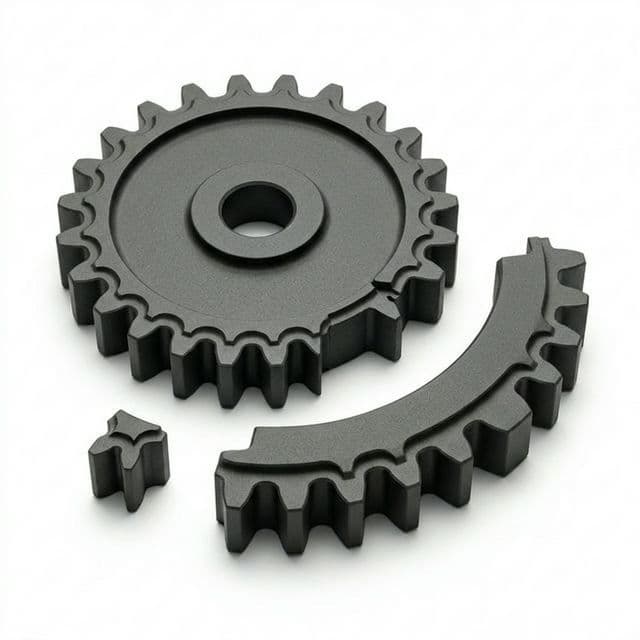
Injection Molded vs Sintered Ferrite Magnets: An OEM Buyer's Guide
Compare injection-molded vs sintered ferrite magnets for OEM sourcing: tooling cost, tolerances, heat limits, assembly yield, and RFQ review support now.
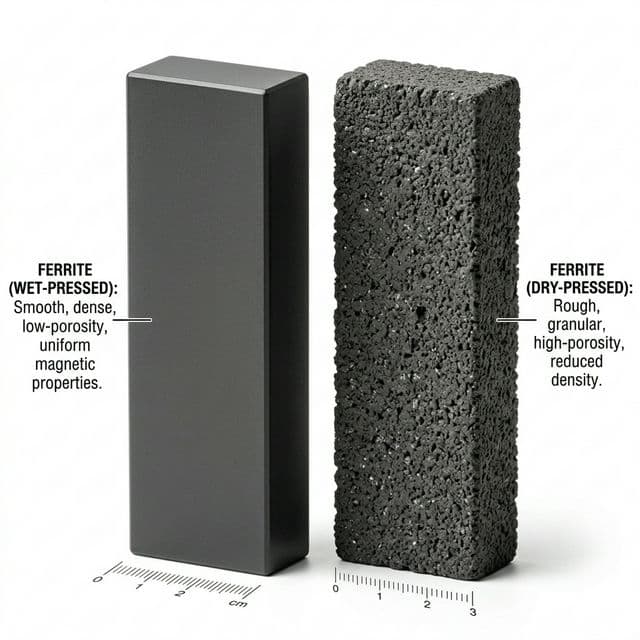
Ferrite Market Update (2026-W20): HTS Revision 7, US Comment Window, and EU Raw Materials Mechanism Controls
Decision brief for ferrite magnet buyers on April-May 2026 trade-classification and raw-material sourcing signals that can change RFQ, landed-cost, and release controls.
The Impact of Product Carbon Footprint (PCF) Regulations on Ferrite Magnet Sourcing in 2026
A comprehensive guide for procurement and engineering teams on navigating new PCF mandates, green-tariff risks, and ESG compliance when sourcing custom ferrite magnets.
Inquiry Email
Copy the email, or open your default email app to start an inquiry.